

From Vineyard To Bottle: Methods That Create Exceptional Wine

Great wine is the result of hundreds of decisions made throughout the growing, harvesting, fermentation, aging, and bottling process. While grape variety plays an important role, the quality of the finished wine depends on how carefully producers manage every stage of production. Successful winemaking combines agricultural knowledge, scientific precision, and practical experience to create wines with balance, complexity, and consistency.
Wine quality begins long before grapes reach the winery. Vineyard conditions directly influence flavor, aroma, acidity, sugar levels, and overall grape health. Site selection is one of the most important decisions a producer makes. Soil composition, climate, sunlight exposure, rainfall patterns, and elevation all affect grape development. Grapes grown in well-suited environments tend to achieve better balance between sugar accumulation and acidity retention.
Canopy management is another key practice. Proper pruning and leaf positioning improve airflow and sunlight exposure, helping grapes ripen evenly while reducing disease pressure. Yield control also plays a role. Excessive fruit production can dilute flavors, while carefully managed yields often contribute to greater concentration and quality.
Determining the right harvest date is one of the most critical decisions during the growing season. Grapes continue to change as they ripen. Sugar levels increase, acidity decreases, and flavor compounds mature. Harvesting too early may produce wines with excessive acidity and underdeveloped flavors. Waiting too long can lead to overly ripe characteristics and high alcohol levels.
Winemakers monitor several indicators before harvesting, including sugar content, acidity, pH, seed maturity, skin development, and flavor characteristics. Many producers use a combination of laboratory analysis and sensory evaluation to determine optimal picking dates. Careful harvest timing helps create wines with balance and structure.
The condition of grapes upon arrival at the winery has a direct impact on the finished wine. Damaged fruit can oxidize prematurely or become susceptible to microbial issues. Many premium wineries focus on minimizing grape damage during picking, transportation, sorting, and crushing.
Sorting tables allow workers to remove leaves, stems, damaged fruit, and underripe clusters before processing begins. This step improves consistency and reduces the risk of undesirable flavors entering the wine. Protecting grape integrity during these early stages helps preserve freshness and varietal character.
Fermentation converts grape sugars into alcohol through the action of yeast. This process also generates hundreds of compounds that contribute to aroma, texture, and flavor. Temperature control is one of the most important aspects of fermentation management. Cooler fermentations often preserve fresh fruit aromas, while warmer fermentations can increase extraction and complexity.
Yeast selection also influences the final product. Some winemakers rely on naturally occurring yeasts, while others use carefully selected commercial strains that offer predictable performance and specific flavor characteristics. Red wine production typically includes skin contact during fermentation to extract color, tannins, and flavor compounds. White wines generally undergo fermentation without extended skin contact, resulting in lighter color and different texture characteristics.
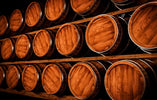
Many wines benefit from a period of maturation before bottling. During this stage, flavors integrate, tannins soften, and complexity develops. Oak barrels remain a widely used maturation tool. Different oak species, barrel ages, and toast levels can contribute notes of vanilla, spice, smoke, caramel, and toasted wood.
The length of aging varies depending on the wine style. Some wines are bottled quickly to preserve freshness, while others spend months or years developing additional depth. Winemakers must carefully balance oak influence with the natural character of the grapes. Excessive oak can overpower fruit expression, while appropriate use can enhance complexity and structure.
Sanitation plays a major role in wine quality. Unwanted microorganisms can affect fermentation, create off-flavors, and shorten shelf life. Wineries invest significant effort in cleaning tanks, hoses, pumps, bottling equipment, and storage vessels. Equipment designed specifically for food and beverage production helps maintain hygiene standards throughout the facility. Many wineries source specialized components, including sanitary fittings for sale through industrial suppliers, to support safe and efficient processing environments. Consistent sanitation practices help protect product quality from harvest through bottling.
Blending is both a technical and creative process. Wines from different vineyard blocks, grape varieties, fermentation lots, or barrel groups may be combined to achieve specific goals. A winemaker may blend wines to improve structure, enhance aroma, balance acidity, soften tannins, or create greater complexity. Even wines produced from a single grape variety are often blended from multiple lots before bottling. Blending allows producers to create a completer and more harmonious final product than any individual component might provide on its own.
Modern wineries use laboratory testing and sensory evaluation throughout the production cycle. Analytical measurements help monitor alcohol content, acidity, sugar levels, microbial stability, and other important characteristics. At the same time, tasting remains an essential part of quality assessment. Regular evaluations allow winemakers to identify potential issues early and adjust before problems affect the finished wine. Quality control continues after bottling through storage monitoring and product testing to verify consistency.
Weather conditions can vary significantly from one growing season to the next. Temperature extremes, drought, excessive rainfall, and unexpected frost events all influence grape development. Successful wineries continuously adapt vineyard practices to changing conditions.
Irrigation management, canopy adjustments, soil health programs, and careful site selection help reduce environmental risks. Monitoring weather patterns throughout the season allows growers to respond quickly when conditions change. Long-term wine quality often depends on a vineyard’s ability to maintain healthy fruit despite seasonal challenges. Producers who consistently adapt their practices are better positioned to achieve reliable results year after year.
Exceptional wine results from careful decisions at every stage of production. Vineyard management, harvest timing, fruit handling, fermentation control, aging practices, sanitation standards, blending techniques, and quality monitoring all contribute to the final product. While no single method guarantees success, the combination of sound agricultural practices, technical expertise, and disciplined production processes helps create wines that express character, balance, and lasting appeal. Look over the accompanying resource for more information.
Stephanie Bruce is an accomplished Marketing Manager at Steel & O’Brien, a premier manufacturer of sanitary fittings, valves, pumps and more. Stephanie has nearly 20 years of experience driving strategic initiatives for B2B manufacturers and specializes in go-to-market (GTM) campaigns, SEO, content development and brand management. Her expertise lies in crafting integrated marketing strategies that align business goals with market demands, ensuring impactful engagement across all channels.
